An Evening Dress for Dancing: What to Check Beyond the Standing Photograph
Match your dress to the kind of dancing you expect, then compare arm movement, skirt room and the route to the dance floor.
Shop the Styles in This Guide


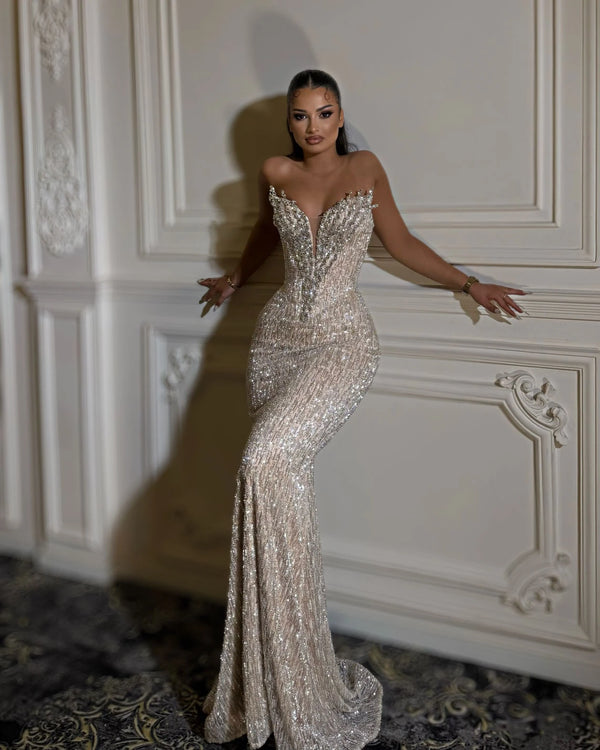
A dress for a slow first dance asks different questions from one you plan to wear through an energetic party. Before choosing a silhouette, describe the movement you actually expect: a few turns, a reception dance floor or a short appearance followed by a change of outfit.
Explore Evening Dresses and Short Dresses with that plan in mind. A standing photograph can show the neckline and skirt shape, but it cannot establish how a particular garment will move on you. Use the following comparisons to decide what to ask and what to check in a fitting.
Write a three-part dance brief
First, identify the movement: small steps, partnered turns or more active dancing. Next, identify the route: stairs, a seated dinner and the walk onto the floor may matter as much as the dance itself. Finally, identify the outfit plan: will you keep the same shoes and dress throughout?
If you have choreography, show the relevant movements when discussing the gown. Ordinary occasionwear should not be assumed suitable for lifts, vigorous routines or performance use. A shorter hem or a high slit alone does not resolve every movement requirement.
If dinner comes first, include the chair back as well as the seat in the plan. Check whether sleeve volume or a back detail touches it when you lean back and stand. The sleeve movement guide helps you assess the arm position before moving on to the dance-floor check.
Three silhouettes, three different checks
A flowing chiffon gown: include sleeves in the assessment
Champagne Chiffon Gown with Gold Corset Waist and Long Sleeves combines a full-length chiffon skirt with a structured gold corset waist, voluminous sleeves and structured cuffs. The flowing skirt is only one part of the outfit. Check the sleeves during the arm positions you expect to use and consider the cuffs when holding a partner’s hand. The fabric description does not establish the total garment weight or guarantee unrestricted movement.
A fitted crystal mini: check the skirt as well as the hem
Silver Crystal Embellished Corset Mini Dress has a fitted mini skirt, a sweetheart neckline, crystal-detailed straps and a built-in corset with bra cups. Its short length removes the floor-length hem from the comparison, but the fitted hips and embellished straps still need attention. Test an ordinary step and turn without repeatedly pulling the skirt down or adjusting the neckline.
A satin gown with a slit: account for the train separately
Orange Satin Corset Gown with Crystal Bodice and High Slit has a fitted floor-length skirt, a thigh-high slit and a subtle train. Ask how the complete skirt behaves when turning; a front or side opening does not remove fabric trailing behind. No bustle or removable train is confirmed in its description, so neither should be part of your plan unless separately agreed.
A useful fitting sequence
- Start in the intended shoes. Check the hem while standing normally before trying any movement. If you plan to switch to flats for dancing, check your gown length in flats before deciding whether to wear one pair or change shoes.
- Walk and turn. Use ordinary steps and a gentle change of direction, then inspect where the skirt and sleeves settle.
- Try the relevant arm position. Notice whether the neckline, straps, cuffs or bodice shift. Keep the check within comfortable movement.
- Check the seated-to-standing transition. If dinner comes first, include getting up and walking away from the chair.
- Discuss any restriction. Ask about a specific adjustment or another design instead of assuming the fabric will stretch or relax later.
For a partnered dance, include the position of hands near embellishment and loose fabric. A fitting can reveal a question to resolve; it is not a guarantee of every movement under event conditions.
Choose the dress around the part of the evening that matters most
If the gown is mainly for a ceremony and portraits, a planned change may suit your priorities. If dancing is the main event, place the movement brief ahead of a particular photographed pose. Our How to Choose a High-Slit Evening Gown: Fit, Movement and Styling Guide gives more detail on evaluating an opening in the skirt without treating it as a substitute for fit.
Open your preferred product and send the team the dance brief, shoes and event plan. The most useful answer is whether that specific dress can meet those requirements, or which alternative deserves a closer look.
Keep reading